
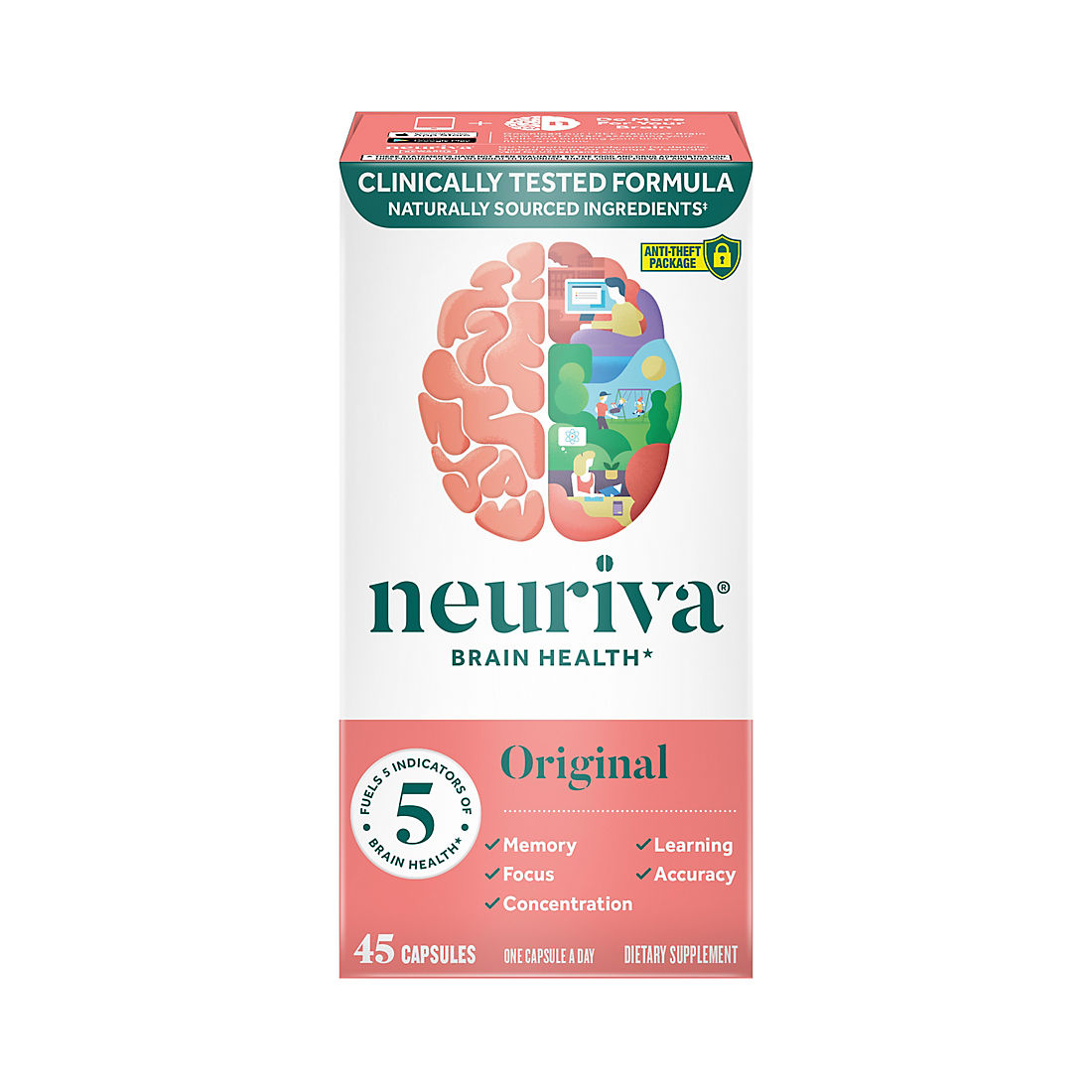
In the worldwide industrial landscape, the dietary supplement market ends up being one of the most encouraging and fast-growing markets. In 2021, the field reached a remarkable turning point, producing turn over of EUR 150 billion, an increasing in value in just over a years. This is an outstanding figure that underlines the massive capacity for firms operating in this specific niche.
Because 2015, the sector has actually seen constant growth, with an increase of 4.5 per cent in 2019 worldwide, therefore videotaping a continuous favorable pattern in the last few years. The setting of Italy in the supplements market is especially noteworthy: from tailender to European leader, with a share that currently represents over 26% of the complete worth of the European market, over of 13 billion Euro. Consumption of supplements, in fact, has actually reached substantial levels: in Italy alone, as numerous as 30 million people use them, particularly in between the ages of 35 and 54. This figure is not just an indication of the boosting concentrate on personal health and wellness and wellness, yet also a clear signal to business supervisors who are continuously in search of innovative and appealing items in the pharmaceutical sector.
Exactly for these factors, nutritional supplements are triggering extensive conversation on keeping and boosting health.follow the link original supplements At our site Are they helpful? Are they dangerous? Do they make you ill? These are one of the most typical concerns of customers and are driving the general public argument on the problem. While some suggest that supplements are vital to fill up nutritional spaces, others reveal problems concerning the prospective threats. In this short article, we will certainly discover the pro and cons of nutritional supplements, reviewing their strengths and weak points, to understand when and exactly how they can be effective.
Benefits and drawbacks of dietary supplements: an overview
Supplements play a substantial role in key avoidance, especially in a context such as that of established countries, with their progressively ageing population. Their widespread use can have a favorable influence on the sustainability of nationwide health care systems, aiding to prevent different age-related conditions, but not just age-related ones.
From this viewpoint, it is vital to carefully take a look at the benefits and disadvantages of dietary supplements in order to better recognize their real value in the context of public and specific health and their relevance on the market.
Benefits of supplements: past nourishment
Nutritional supplements can provide numerous benefits, consisting of the amelioration of nutritional deficiencies and support for certain health and wellness requirements. They are useful for those on restrictive diet regimens or with medical conditions that impact the absorption of nutrients. Additionally, some supplements may play a role in supporting cognitive feature, skin wellness and general wellness.
The risks: when supplements can do damage
Despite their benefits, dietary supplements are not without their drawbacks. Excessive or inappropriate use might bring about adverse effects or communications with medications. Exactly therefore, it is frequently essential to find dietary supplements that can be absorbed combination with medications, in order to accomplish a joint healing objective. This presupposes the research of the collaborating or hostile impacts that can emerge with both single and combined usage. Our supplement Cogiton, specifically created for the main nerves, has actually been the topic of scientific research studies confirming its efficacy combined with medicines meant for the treatment of Alzheimer’s condition, such as Donepezil. Thanks to its composition and the existence of vitamins B2, E, C and selenium (Se), which help secure cells from oxidative tension and minimize stress-related signs and symptoms, it uses extra assistance in the therapy of neurodegenerative diseases.
Ultimately, the top quality and purity of integrative products can vary, making it important to create them according to GMP (Excellent Manufacturing Method) guidelines and to execute professional tests, to make certain the quality of the supplement via tough information.
Evaluating the clinical proof in support of efficiency
So we evaluate why the evidence-based effectiveness of nutritional supplements is the best way to identify secure and valuable items for customers.
Analysis and professional validation of solutions
To analyze whether supplements are absolutely reliable, it is vital to consider the clinical study of the formulations. In fact, the effectiveness of a full formulation can not be deduced only from the literature on individual components, as synergistic or antagonistic homes of a mixture can dramatically modify the overall action, suggesting that the results are not merely additive. The clinical research, as necessary, gives the basis for comprehending the efficiency and safety and security of supplements. By examining professional researches and trials, we can identify which supplements have evidence that sustains their claimed advantages.
Significance of qualification and item top quality
A crucial factor in the assessment of supplements is item quality. The supplements generated according to GMP make certain high criteria in production, while having been certified by recognised worldwide bodies ensures that they meet details safety and security and efficacy criteria. Opting for a quality product, fundamentally, is necessary to maximise the benefits for the end customer.
Final thoughts
Eventually, the decision to use supplements need to constantly be made with ideal medical advice and an aware evaluation of the health and wellness needs of the individual.
Nutritional supplements can still be a valuable tool for enhancing wellness and health, however it is very important to use them in an informed and accountable manner. The selection of evidence-based supplements with a solid study base and compliance with top quality laws is as necessary vital to have the ability to provide products in accordance with market requirements and customer assumptions.